Tuesday, November 19, 2019

Tuesday, October 20, 2015
Friday, April 11, 2014
Thursday, September 19, 2013
Looking Like a Ripped Beast
Not really. It's just an illusion of the pendulum but sometimes it's hard to get out of your own way. Like some cell phones, not all cameras have a nice clear image viewer in bright sunlight and can be difficult to see. I was doing a little guessing and hoping for the best or at least have a centered and focused shot. The results were interesting to say the least. Tip of the day: Make sure you wear clothing when listing.
I posted them anyway.


I posted them anyway.


Sunday, July 21, 2013
Local Resellers Groups
I have been selling items online for many years now both on Ebay and Craig's List. Each has their distinct advantages and disadvantages .
Ebay is a good place to sell hard to find and unusual items even common pieces such as sterling flatware, dishes, dolls and scrap gold. It exposes it to a larger established following and most of the time they will pay for their item thanks to the strict rules ebay has in place for members.
Craig's List is a good place to sell large hard to handle and ship items like furniture, bikes, and lawn mowers or find a date with a lonely "BBW". It's anonymous, quick, free and well, not that reliable when it comes to buyers showing up. Sometimes they do show, but a lot of times I end up waiting around for nothing. They don't call, cancel or even email to let me know they don't want it anymore.. That's part of the problem with Craig's List. I just accept it as part of the deal. I've been burned so many times by these empty promises I've made it policy to hold nothing for anyone. I don't care how bad they want it and if they "guarantee" they will be here.
"Puhleeeez hold it for me!! I want it! I'll come out this weekend"
"Nope, sorry. First come first serve"
Saturday, May 4, 2013
Ebay Buyer Scam?
Scam? You be the judge...

I have sold items on Ebay since 1996. Over the years I have had users contact me wanting me to stop an auction format sale (end it early) with an offer of what they feel is a fair price. I never do. Not because Ebay doesn't permit it, but it's usually a good indication the item for sale will bring way more than the offer the user is presenting me.
It seems some of these disappointed buyers have found a clever new and very scummy way to attempt to get the item without paying full price even if it brings a higher price than they want to bid.

Here's how it works.
Say I list a painting for 50 bucks starting price. It eventually get's bid up to 175.00 and the auction ends in 18 minutes. If you've sold anything on Ebay you know sometimes the last minute of the sale is when all the action happens. Two bidders can fight over a piece down to the last 2 seconds. The deceitful high bidder will send me a message during the final hour with an apology similar to this
"Hi, I am currently high bidder on your painting. I typed in the bid box $17500 INSTEAD of 175.00 I'm at work and I can't fix it until I get home. I will only pay $175.00 that was what I wanted to pay and no more than that. I'm very sorry
-mister_shifty_dirtbag"

What does this mean? He will be the high bidder even if it brings $400.00 or more. I can't end a sale early in the last hour but I can cancel bids IF I'm home and I open the email before the sale ends. Otherwise, he wins the item. Now I usually wouldn't think anything about someone making a mistake like this, but when it happened again with a hauntingly familiar line of bullshit, I smell a rat. Now I'm not saying that an "accident" like this can't happen twice, but in my opinion, it is unlikely and too convenient.
What if the painting brought $192.00? The winning bidder already said he was only paying $175. If I tell him no and he cancels, the back up bidder may not respond to my second chance offer. Sometimes when an item is relisted it brings less. In fear of that and possible negative feedback, I just sell it to the scam guy for his bid of $175. It's dirty.
Even though I'm not obligated to sell it at his price the buyer could get nasty about it.
I have wonder how many sellers cave into their "Oops! I'm a typo dummy" story and sell their item at the lower bid price to avoid negative feedback or the backup bidder changing their mind.
My policy, if caught in time, is to cancel their bid and block them. I don't believe anyone is that simple. They can fix it immediately after bidding. The process is two step and ask BOTH times "your bid is" they have 2 chances to correct it. It's clear and very easy to read. If anyone else had a similar experience, I'd like to hear from you.
Monday, March 25, 2013
Wednesday, March 20, 2013
Thrift Store Buying Etiquette

A while back I caught up with a friend of mine to check out the some of the local yard sales and thrift stores in Hernando and Pasco County. The great thing about second hand stores, especially church oriented or ministry run industries, they recruit volunteers that have limited knowledge and at times can be completely clueless when it comes to pricing items as well as a steady stream of fresh merchandise stocked throughout the day.
It was a weekday that turned out to be one of the best days I've had in a while for the little I spent. We hit all the regular stops then went to a local charity thrift store.
At the counter was a showcase used for what they thought was the good merchandise. Things they consider high value or collectible enough to protect behind glass. In with the cheap sunglasses, old Avon perfume bottles, over priced common baseball cards and chipped plates that belong in the trash I noticed behind the counter was a bag of costume jewelry tucked in a box that had assorted gold filled or what appeared plated rings chains and rhinestone pins. I asked the clerk to see the box.
"Oh I was just getting ready to put that out"
Music to my giant floppy ears...
"Great, can I take a look?" I replied.
"I haven't had a chance to price it yet." She said.
Tip: (Here is a good time to turn on your nice guy charm that you usually waste on the hot girls at gas stations or the cute cashier at Walgreens. You know, the girls who could care less about you. Use all your powers that you've skillfully honed and developed through years of dealing with the opposite sex as a man relating to a beautiful woman...Even if she's 83 and on oxygen.

"That's ok dear, I just wanted to take a look. I like shiny objects....Maybe you can price it for me as we go if you like? I love your dress. Are those doilies on the sleeve? You smell really good. Is that maple bacon?" I said smoothly
After rolling her eyes at my cheese ball attempt at a compliment, she pulled the box out anyway.
It was a small box packed full of goodness. Now, I've been doing this long enough where I don't need a loupe to identify a gold wedding ring when it's in my hand. I can't always get the karat right, but through wear, weight, the obvious mark visible to the naked eye indicating the karat, and that distinct ringing sound a gold ring makes when it's dropped on the floor or counter gives it away 90 percent of the time. The other 10 percent I over pay for gold plate..
If you look too hard at a piece for a long time through a loupe or showing deep interest in a item, the price can sometimes go up or they won't even sell it to you with the excuse
"I need to look that up." It's best not to reveal your hand. You don't want to make them feel like they are making a mistake by selling it to you.
I put a brooch pin, a gold ring, some scrap bent earrings, and a bracelet that was most likely Bakelite on the counter.
"Well, what do you think for these pieces?" I asked
She shuffled them around on the counter like she was playing Checkers and said,
"Twenty five"
There was still 10 or 12 pieces of junk costume but salable.
"What about the whole box?" I said
She dumped it out on the counter, more shuffling...thinking...shuffling..."Thirty five?" she said with uncertainty.
"Ok...I'll take it." I said.
Tip: (If you find yourself in this lucky situation, don't try to negotiate it down lower for the extra 6 or 8 bucks. Asking for a lower price on something that is already dirt cheap so you can boast about it later to other dealers and friends, especially if you know you're going to make 8 or 10 times more than what you paid for it is just cheap and tacky. Pay for it and leave before some other dealer or wannabe dealer armed with Pawn Shop Reality TV or Antiques Road Show "knowledge" walks up and chimes in on how cheap it is or ask to look at it before you've even paid for it to squash the deal.)
I've had this happen. "Squashing the deal." It's frustrating and rude. Usually motivated by jealousy or complete amateur ignorance. Anyone with common courtesy understands etiquette dictates you wait your turn in silence.
I have little patience for this dirty tactic..On the very rare occasion this imposition does happen,
I will sometimes stop what I'm doing, turn and face them squarely. Stare at them directly in the eye, blank face, emotionless and silent, ignoring comments, questions, and nervous laughter until it feels so awkward and uncomfortable, they eventually drift way defeated.
(Assuming he's not 6 foot 8 with facial and neck tattoos and looks like he's out on parole...)I will sometimes stop what I'm doing, turn and face them squarely. Stare at them directly in the eye, blank face, emotionless and silent, ignoring comments, questions, and nervous laughter until it feels so awkward and uncomfortable, they eventually drift way defeated.
Or you can ignore them entirely and talk loudly over them like they aren't even there. This is equally effective.
The box yielded a few pieces of 14kt gold, and a good lot of assorted rhinestone jewelry that brought over 300 after commissions.
This is a thrift store that I donate to all the time. I give way more than I take from this store so it's nice to get it back every now and then.
To sum it up:
Keep your eyes open. Pay attention to details. Be nice. Wait your turn and respect others. If you like what they bought or have interest in it, ask in the parking lot after they leave...Even better, get there first.
To sum it up:
Keep your eyes open. Pay attention to details. Be nice. Wait your turn and respect others. If you like what they bought or have interest in it, ask in the parking lot after they leave...Even better, get there first.
Tuesday, February 5, 2013

Wednesday, January 30, 2013
Reframed Auction Results

In order to make it worth while to have an auction company pick up items I had to sell, I would sometimes include valuable items I really liked. Beautiful antiques with sentimental attachments. Pieces with fond memories and interesting stories behind them that I have had for many years. I would do this to pad the sale and distribute the cost evenly and ideally pushing the average lot price higher. ORRRR, I just needed extra cash that particular month so I hastily sold off some expensive shit that I never use and was just collecting dust.... It's one or the other.
When the sale was over and those "cherished" items bring way less than I thought they should have, I felt like punching myself in the face repeating "WHY did I sell that? WHY did I sell that!!?" That just happens sometimes. The crowd didn't want it, things fall out of fashion, one buyer wanted it really bad but no competing bidders were there to run up the bids. It's not the auctioneer's fault. That's just the business.
The good news was, thanks to all the other unusual and under appreciated lots, surprisingly the sale brought 30 percent or more than I was expecting. Pieces that should have sold for 350 brought 800. Some paintings that I offered out 2 years ago for 25 bucks brought 150. THAT is the double edged sword of the auction. Pretty sweet when duds explode.
Take the good with the bad. You will get burned on a small margin of the pieces you consign if you don't put reserves on them. You should know that going in. Reframe it and have a price range you will be happy with after the commission and other fees are deducted.

I personally don't put a reserve on anything unless the auction house suggest it. The piece is there to be sold to the highest bidder, not to be displayed and priced like it's in a shop window at the mall. It's unfair to the auction house and the buyer. Sell it. Take your lumps or show a profit and occasionally a potential massive profit. Either way, don't look back or whine about the pieces that should have brought more.
Remember, most of the world record prices in the art world were set at auction. It dictates the market and creates excitement.

If you have something to sell, be prepared to lose or jump for joyous joy joys when that ugly painting of the sailor smoking a pipe in your grandmother's hallway brings fifteen thousand dollars at auction. (You know, the painting you wanted to dump for cash at the church craft and junk sale last year but your husband talked you into letting a competent auctioneer look at it?) Don't be that person. Get an opinion.
Friday, January 25, 2013

Saturday, January 19, 2013
10 Things You Should NOT Buy for Quick Resale

I've been doing this a long time and while a lot has changed in the business, some things over the years haven't changed much at all. One of them is dealers buying and carrying stock that is hard to move. They will often buy things just because they are old or they think they are collectible. Maybe it was because it was very cheap and the shrewd seller told them it was valuable...(Fish on!!)... I still see these hard to sell items show up in shops and markets. Now I understand that they may have gotten them from an estate buy out or in box lots from an auction, but that doesn't mean they will sell fast and they take up valuable space in the booth.
The following are a few things I found very hard to sell
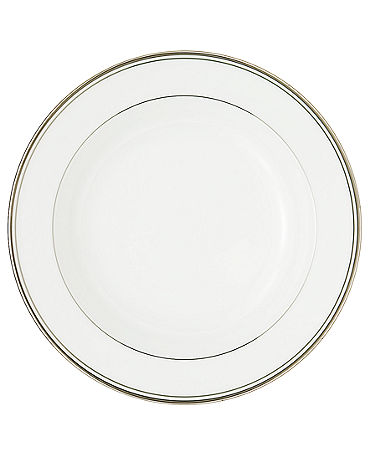
1) Platinum rim dishes from the 50's and 60's.
This stuff was elegant and lovely during it's day. That was then. Unless you have a mint condition complete set with little or no wear on it, generally, it doesn't sell quicklyThere is little to no value in micro flashed on platinum trim and most of what is out there is single pieces or partial sets. I still get calls from people trying to sell me their dishes. Unless it's a desirable name like Tiffany or it service for 12 with all the serving pieces, avoid it.
This stuff was elegant and lovely during it's day. That was then. Unless you have a mint condition complete set with little or no wear on it, generally, it doesn't sell quicklyThere is little to no value in micro flashed on platinum trim and most of what is out there is single pieces or partial sets. I still get calls from people trying to sell me their dishes. Unless it's a desirable name like Tiffany or it service for 12 with all the serving pieces, avoid it.

2) Norman Rockwell prints and calendars.
These items were produced in the millions. They are all over the internet. If you go to a completed listing of sales on EBay, you will see lots of red. Most of it is under 10 bucks and doesn't sell.
These items were produced in the millions. They are all over the internet. If you go to a completed listing of sales on EBay, you will see lots of red. Most of it is under 10 bucks and doesn't sell.

3) Bradford Exchange limited edition plates.
Sold in over priced shops and mail order to collectors who like their plates with Dorothy and Toto or a clown transferred on the front with a limited edition number on the back guaranteeing that their thoughtfully machine crafted heirloom plate is number 47,89999 out of ONLY 250,000,000,000,000,000. Well, maybe not, but they produced these by the boat load and I've seen dealers struggle to get five bucks for plates that originally sold for fifty. A recent search of completed sales on EBay of just plates there were 16,368. Most unsold. When items are abundant, buy CHEAP, I mean super cheap, even better, completely avoid them. I've passed on these plates for 50 cents.
Sold in over priced shops and mail order to collectors who like their plates with Dorothy and Toto or a clown transferred on the front with a limited edition number on the back guaranteeing that their thoughtfully machine crafted heirloom plate is number 47,89999 out of ONLY 250,000,000,000,000,000. Well, maybe not, but they produced these by the boat load and I've seen dealers struggle to get five bucks for plates that originally sold for fifty. A recent search of completed sales on EBay of just plates there were 16,368. Most unsold. When items are abundant, buy CHEAP, I mean super cheap, even better, completely avoid them. I've passed on these plates for 50 cents.

4) Single pieces of silverplated common flatware.
Rogers Brothers. A name you will see on lots of silver plate. Common patterns and available in most thrift stores and antique malls can be picked up for around a quarter each. Serving pieces are a better buy if all of the plate is intact and boxed sets with service for 8 or more in clean condition is a better investment.
Rogers Brothers. A name you will see on lots of silver plate. Common patterns and available in most thrift stores and antique malls can be picked up for around a quarter each. Serving pieces are a better buy if all of the plate is intact and boxed sets with service for 8 or more in clean condition is a better investment.

5) Silverplated miscellaneous tea service pieces.
Staying with the silver plated theme, try to avoid over paying for common single tea service pieces. An odd sugar, a plain teapot with wear through on the plate, a damaged footed tray, a less than fancy 1970s plated waste bowl. Unless it is Victorian, covered with grape vine, cupids, or a desirable pattern, most of the odd pieces don't sell quickly. Stick with the good patterns and the big wonderful impressive shiny silver plate.
Staying with the silver plated theme, try to avoid over paying for common single tea service pieces. An odd sugar, a plain teapot with wear through on the plate, a damaged footed tray, a less than fancy 1970s plated waste bowl. Unless it is Victorian, covered with grape vine, cupids, or a desirable pattern, most of the odd pieces don't sell quickly. Stick with the good patterns and the big wonderful impressive shiny silver plate.
6) Beanie Babies.
... Glorified dog toys.
... Glorified dog toys.

7) Rocking chairs and single dining side chairs.
"Sittin on tha front porch huggin mah piller in Gramps ol' rocken churrrr"
Charming but the damn things just don't sell. I've had one rocking chair in 20 years that sold for 250 bucks only because it was a decent Mission oak chair. All of the other 1950s maple, turn of the century Shaker style, period Victorian platform rockers or Hitchcock rockers eventually went to auction just to get rid of them. Some dealers may disagree with me, and I know a couple, but even they wouldn't buy my rocking chairs for 20 bucks. Oh the irony
"Sittin on tha front porch huggin mah piller in Gramps ol' rocken churrrr"
Charming but the damn things just don't sell. I've had one rocking chair in 20 years that sold for 250 bucks only because it was a decent Mission oak chair. All of the other 1950s maple, turn of the century Shaker style, period Victorian platform rockers or Hitchcock rockers eventually went to auction just to get rid of them. Some dealers may disagree with me, and I know a couple, but even they wouldn't buy my rocking chairs for 20 bucks. Oh the irony

8) Fenton milk glass.
I like Fenton art glass. Great company still in business that produces decorative hand made glass for the masses. Some of the Crest lines are very popular with collectors. However, the milk glass doesn't sell very fast. There is tons of it out there. Rose bowls, candlesticks, console bowls and much more. If you like the milk glass, try to stick with bigger and harder to find pieces like epergnes and pitchers.
I like Fenton art glass. Great company still in business that produces decorative hand made glass for the masses. Some of the Crest lines are very popular with collectors. However, the milk glass doesn't sell very fast. There is tons of it out there. Rose bowls, candlesticks, console bowls and much more. If you like the milk glass, try to stick with bigger and harder to find pieces like epergnes and pitchers.

9) Movie cameras and projectors
8 mm movie cameras, movie projectors from the 50's and 60's are hard to resell. They are not quite decorative enough to put in your office or living room. They always look like they belong in the media center or school library. Don't confuse these common 8 mm cameras and movie projectors with the Mitchell movie cameras of the 30s and 40's. BIG difference in price and desirability.

10) Floor model sewing machines
Often seen in yard sales and thrift store over priced. The owners like to brag how their mother used it in the 1960s and it STILL WORKS! Doesn't matter. Most of them don't bring squat. They are a piece of heavy, cumbersome, ugly furniture disguised as a disguised sewing machine. The table top portable models like the Singer Feather weight sell for more money and much quicker than a Kenmore in a table. Even the vintage Singer treadle sewing machines with fancy open iron work base, tiger oak veneer flanked with drawers don't bring what they are worth and often less than a good table top machine.
Thursday, December 27, 2012
December's Embers

Everything runs in streaks in this business. What was once hot is now lukewarm. The end of the year review reveals the bad buys and what should I spend less on or completely avoid in the future. When you're flipping for a quick profit, price generally doesn't matter as much. Long term investing though is a different story.
I held on to Victorian furniture for years. I bought it at fair prices when the market was hot. I took it to shows and turned down great offers on some of it thinking the prices would continue to steadily rise. In fact, just the opposite happened. Over the past 12 years, the prices of average to better quality pieces have steadily declined. This isn't including the Blue Chip Victorian like Belter, Meeks, Herter Brothers or the best Horner . Even though they have dropped in price, those names seem to hold steady for the top tier pieces. Some of those offers I turned down I would now gladly take half of what I was originally presented.

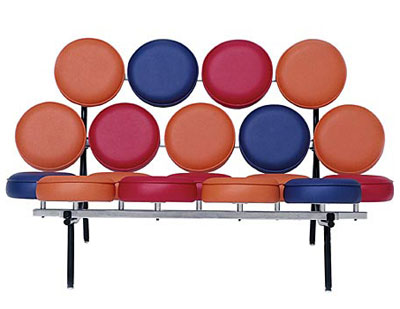
Looking back, I should have sold off more of the better pieces 10 years ago when prices were better. Sometimes holding everything and waiting for the prices to rise is just wishful thinking. It might take decades. A better way of collecting furniture would have been diversification. Decorating in a eclectic style mixing high quality 50's-60's and 70's designer pieces with Victorian and Mission furniture would be a nice balance when selling. Mid Century Modern has only increased and still strong.
Sunday, December 23, 2012

Thursday, December 20, 2012
Ivory

Ivory. It's been used centuries for carvings, objects of art, jewelry, inlay on furniture, miniature paintings, boxes, the list is long. By definition, "The teeth and tusks of animals" or dentine. I'm specifically referring to elephant and walrus tusk. Whales tooth for Scrimshaw is usually just call "Ivory whale's tooth". (go figure)
This is for those who can't tell the difference between ivory, bone, and plastic. It's great when you're buying from someone who can't identify ivory, unless it's plastic priced like ivory. I still see it all the time "Real ivory carving" that is actually made from bone.

Elephant Ivory.
Can grow up to 8 feet long. Asian and African variety sometimes sold in tusk form all the way down to small rosette motif earrings. This is the easiest to spot due to the distinct cross hatching that is nearly impossible to reproduce. The overall appearance of antique ivory should have a warm caramel color over a light creamy yellow to yellow white. Cool to the touch and dense. Heavy in hand. The cross hatching diamond pattern should be visible on any carved piece. African ivory has darker lines. Asian ivory has the same pattern with lighter colored almost beige off white lines. The obvious subject matter, dragons, immortals, Netsukes, etc. would be an indication of origin.

Chinese and Japanese ivories are probably the most copied from very convincing resins and plastics. These will have no lines, have a greasy feel to them, the decoration is dark and sometimes they will even have mold lines. The color is even with no variation, often grey-beige.


I don't recommend doing this but I know some people just won't be able to sleep at night if they don't know what they own. So if you're still not sure if the piece is ivory or plastic, there is a test you can use on a inconspicuous area of the piece. If it's not a collectible piece of jewelry, CAREFULLY heat the tip of a needle and touch the piece where it's not visible. It will sink into plastic. It will not do anything if it's ivory.

19th Century ivory Okimono
Note: I watched a dealer push a pin completely through the face from the back of a reproduction plastic mask giving it three nostrils. Do at your own risk. It will ruin plastic.

Walrus:

The tusk of a walrus are often found carved as mortals, Nesukes, Okimono, Chinese figures etc. Very popular in the late 19th century. Surface of antique walrus ivory has a warm caramel color a little richer and slightly deeper than elephant's ivory with swirls and faint irregular lines unlike those of the elephants. If polished down it will be lighter cream shades. Cool to the touch and very dense and smooth.


Easy to spot. Very porous, open grain, light white color. Light in weight Small black specks are usually visible to the naked eye. There is a lot of quickly and often crudely carved figures and jewelry sometimes sold as "Real ivory" by uniformed dealers. Buy with caution. Generally ivory will be more collectible but there are high quality beautiful contemporary works that can be sold legally.


Plastic:


Plastic:


This is a double edged sword. I have found real ivory necklaces in with junk jewelry. Lots of jewelry is out there that looks like ivory made from, celluloid, resin or plastic. Plastic beads will be even in color, light in weight, the cheap variety will even have mold lines. Celluloid made an attempt on some pieces to include the lines that ivory has but it is symmetrical even and thin. Dresser sets from the 20's used Celluloid that resembles ivory. Collectible in it's own right yet not convincing as ivory.

Celluloid dresser set 1920s -30's
I don't buy or trade in new ivory. I will buy pre ban antique ivory and sell it through good aution houses. Due to restrictions, be aware that sites like Ebay don't allow the sale of some ivory though there is always ivory for sale on ebay. I don't know how they determine what is deemed acceptable, but I have had two pieces removed that were clearly antique. I have also seen clever "Pachyderm" wording to get pieces under the radar. I'm not suggesting it.. jus sayin... If it is a good piece of antique ivory, it is best to sell through a quality auction house, your shop or locally and only trade in antique pieces. The new ivory looks much better on the elephant.
Sunday, December 16, 2012
Cheap Can Opener

Power failure, computer shut down mid sentence, *poof text vanished, two lengthy blogs gone, lost files, electric can opener broke, bought cheap replacement at dollar store, brand new dollar can opener makes wonderful holes but doesn't open anything. Should be called a can holer... Blogs coming soon.
Tuesday, December 4, 2012
Collecting Mistakes Part 2

So you like vintage match books or American Art Pottery. Maybe your grandmother left you a Maxfield Parrish print or a French doll and decided you wanted to add to the few pieces to the ones you already have. You've developed an interest in some item and now you want to collect it.
Good! The first thing you should do as a new collector is get informed. Know what you're gathering and why. It's important to know what makes a piece valuable and collectible. There are books on nearly every collectible imaginable. A wealth of resources exist and many of them are free. Libraries, shows, collector groups, shops, dealers. There's no excuse to be uninformed. If you're reading this post, you have access to the singles greatest resource available to you, the internet. Google and EBay will answer 98 percent of your collecting questions. Get familiar with both.

Mistake : No Direction
The first mistake many new collectors tend to make is to buy anything that fits the criteria with no plan or direction. The initial excitement of finding a piece in a shop compels them to make a rash decisions. Emotionally based impulse purchases "Ohh!! I have one of those!"
Let's take Hummels for example. I've seen large collections of these. There are millions in existence and continued to be made to this day. Figurines, plates, postcards, plaques, Christmas collection, Limited Editions, ornaments, Collector clubs. It's a mind blowing list. A new collector could end up with a large variety of these things including common and even repaired pieces that will likely never show a return on their investment. When the shelves are full of dozens even hundreds of figurines, they realize the early part of what they own consist of common easy to find and hard to resell pieces that they paid too much for.

Remedy: Focus
Specialize in a specific area. STUDY and LEARN what makes a piece more valuable than others. Know why a Crown mark Umbrella Boy Hummel with blue umbrella is much better than the Last Bee mark Umbrella Boy Hummel with the Brown umbrella. Don't buy everything that has the name of your collectible on it. Magazines, Hummel calendars, plates that rarely appreciate...yuck!
Collect the best you can afford. Resist the urge to buy low end common items. Pass on the repaired pieces. If you must have them, buy only if they are dirt cheap (10 to 15 percent of the value) Think of repaired chipped or cracked pieces as a windshield for a car. Would you buy a windshield for your car if it had a crack in it? Even at 80 percent off? There are some exceptions to the rule with damages. Some rare high end glass, some Flow Blue and Majolica and scarce high end pottery. Pieces that are used for parts. There are always buyers who don't mind some damage if the price is right. Think cheap. I'm talking about common mass produced items. Roseville, McCoy, Clocks, wristwatches, prints etc. Build a quality collection from the start and it will only appreciate and be easier to sell in the future.

Mistake: Keeping Everything
It is easy to love what you collect, but don't let it overwhelm you with clutter. Keeping doubles, common items, worthless beyond repair pieces, and dust catching entry level stuff for marginal sentimental reasons is not the best way to build a collection. It takes the room that a quality piece could fill and it ties up your cash. Volume is good thing if it is quality.

Remedy: Cull
When I was 15, I took a course in black and white photography. I was impressed with one of the instructors ability to consistently produce perfect images. They were beautiful. His office walls were filled with incredible pictures, many with honorable mentions or awards from shows. His portfolio was page after page of perfection and professional quality photographs. He was very good. I asked him how long it took him to learn to do this.
"How many years did it take you to stop shooting bad pictures?"
"I still do it all the time" He quickly answered.
"These are all great though" I said.
He said something that stuck with me to this day.
"Never show average or bad pictures to anyone. EVER. Discard them immediately. Don't even keep them around. Throw them away. If all you keep are very best, your client will think that is all you can produce. The best."
Common sense right? As profoundly simple as that sounds, few people actually follow through with it. Fortunes and great names have been built on that very premise. Tiffany, Rolls Royce, Rolex, etc. you won't find a $99. diamond ring at Tiffany. You expect the best and that is all you will see there.

It can be applied in many areas of your life. Including your collection. Learn to cull. Don't fall in love with every piece of crap out there, and yes, there is a lot of crap to buy. Reject the inferior quality pieces and upgrade when you can. Sell off and trade up. You don't have to keep all of it JUST because it says "Roseville or Rookwood or Seth Thomas or Pez" on it, or what ever you may be collecting. Ford made the GT40 but they also made the Pinto. You get the idea. There's a finite amount of space for your collection. Fill it with quality even it it takes years to trade up. Keep only the best. Even if you're gathering common items, save the very best example of it. Crisp detail, rich or correct color, no damage. No apologies.
Finally, the main thing to remember is enjoy collecting. For some the hunt is the most rewarding part. That is what it is really all about if monetary return is not your priority. Buy smart, and buy what you like. Have FUN doing it. If you can do both, even better.

Subscribe to:
Posts (Atom)